Author: Sun West Transmissions

  • 5 Warning Signs Your Transmission Needs Attention

    5 Warning Signs Your Transmission Needs Attention

    Know the warning signs

    Your transmission is one of the most important systems in your vehicle. Catching a problem early can help prevent more extensive repairs and keep you safely on the road.

    • Slipping gears: The engine revs but the vehicle does not accelerate as expected.
    • Delayed engagement: There is a noticeable pause when shifting into drive or reverse.
    • Hard shifting: Gear changes feel rough, abrupt, or unusually loud.
    • Fluid leaks: Red or brown fluid beneath your vehicle may point to a transmission issue.
    • Warning lights: A check-engine or transmission warning light should be diagnosed promptly.

    Early diagnosis can help protect your vehicle and your budget.

    Sun West Transmissions has served Glendale, Phoenix, and the West Valley since 1979. If you notice any of these symptoms, book service or call (623) 473-9800.

  • Expert Guide: Transmission Repair Costs in Phoenix

    Why Transmission Repair Costs in Phoenix Should Be on Every Driver’s Radar

    In the heart of the Sonoran Desert, where summer temperatures routinely climb above 100°F, your vehicle’s transmission faces relentless stress. For Phoenix drivers, understanding transmission repair costs isn’t just about budgeting—it’s about preserving the longevity and reliability of your vehicle in extreme conditions. High heat accelerates fluid breakdown and increases wear on internal components, making transmission issues more common and often more severe in this region.

    Transmission repairs in Phoenix can vary widely in price, influenced by factors like vehicle make and model, the extent of damage, and whether you opt for a rebuild, replacement, or flush. While minor fixes might be relatively affordable, major repairs can represent a significant investment—especially when using quality parts and professional labor.

    This guide will walk you through the typical cost range for transmission services in the Phoenix area, help you identify early warning signs of transmission trouble, and provide actionable tips for extending your transmission’s lifespan. You’ll also learn how to evaluate service estimates and avoid unnecessary repairs. Being informed means making smarter, more cost-effective decisions—especially when your vehicle’s performance and your daily commute depend on it.

    7 Common Transmission Repairs You Might Need in Phoenix—And What They Cost

    If your vehicle is slipping gears, making strange noises, or showing warning lights, you could be facing transmission trouble—especially under Phoenix’s hot climate and stop-and-go traffic. Knowing the most frequent transmission repairs and what affects their cost helps you budget wisely and avoid surprises.

    • Transmission Fluid Flush Regular maintenance can extend transmission life significantly. A complete fluid flush removes old fluid, debris, and sludge, replacing it with fresh, high-quality fluid to improve shifting and cooling.
    • Transmission Filter Replacement Often paired with a flush, replacing the filter ensures clean fluid circulation. Cost depends on vehicle make and model.
    • Transmission Leak Repair Detecting red fluid under your car? Leaks often stem from worn seals or loose connections. Repair costs in the Valley depend on accessibility and labor time.
    • Solenoid Replacement Faulty solenoids disrupt shift timing.
    • Minor Transmission Repair (Clutch, Bands, Seals) The cost of internal fixes like adjusting or replacing bands or clutches depends on complexity.
    • Transmission Rebuild For more extensive internal damage, a rebuild restores functionality by replacing worn components. It is a cost-effective alternative to replacement.
    • Transmission Replacement When a rebuild isn’t viable, a new or remanufactured unit may be needed. Prices vary widely, influenced by vehicle type and drivetrain configuration.

    Current Sun West prices are on our transmission repair costs page. Or call (623) 473-9800 for a free quote.

    Why Transmission Repair Costs Vary in the Valley

    Transmission repair pricing in Phoenix isn’t one-size-fits-all—it hinges on several key factors unique to your vehicle and situation. Understanding these variables helps demystify estimates and empowers smarter decisions when facing drivetrain issues.

    Vehicle type plays a major role. Domestic sedans often have more accessible parts and labor rates, while luxury, European, or heavy-duty trucks may require specialized tools, software, and expertise, increasing costs. SUVs and performance vehicles with complex all-wheel-drive systems also add layers of complexity.

    The extent of damage directly impacts repair scope. Minor issues like solenoid failures or fluid leaks may require only targeted fixes, whereas burnt clutches, torque converter failure, or valve body damage typically demand partial or full rebuilds that cost far more. Ignoring early warning signs—slipping gears, delayed engagement, or strange noises—often escalates minor problems into major repairs.

    Parts sourcing is another critical factor. Rebuilt, remanufactured, and new OEM components vary in price and longevity. Some repair facilities in the Phoenix area offer warranties tied to parts quality, so consider long-term reliability, not just upfront cost.

    For accurate diagnostics, always seek technicians trained in modern transmission systems—especially important with today’s computer-controlled automatics.

    How to Compare Transmission Repair Quotes Like a Pro in Phoenix

    When facing transmission repairs in Phoenix, comparing quotes accurately can save you time, money, and frustration. Follow these steps to make a smart, informed decision.

    • Get Multiple Written Estimates Request detailed, itemized quotes from at least three reputable shops. Each should clearly separate labor, parts, and diagnostic fees. This transparency helps identify inflated charges and ensures you’re comparing apples to apples.
    • Verify the Scope of Work Ensure every quote addresses the exact same repair—for example, a full rebuild vs. a fluid flush. Some estimates may include added services like torque converter replacement or transmission flushes; confirm whether those are necessary.
    • Ask About Warranty Coverage A quality repair includes a solid warranty—typically 12 to 24 months or 12,000 to 24,000 miles. Compare warranty length, what it covers (parts and labor), and whether it’s transferable if you sell your vehicle.
    • Check for Diagnostic Clarity A credible shop will explain how they diagnosed the issue—using onboard diagnostics (OBD-II), pressure tests, or road testing. Avoid places offering repairs without a thorough inspection.
    • Review Shop Reputation and Expertise Look for ASE-certified technicians and long-standing presence in the Phoenix auto repair community. Customer reviews that mention clear communication and honesty are strong indicators of trustworthiness.

    By following these steps, you’ll confidently choose a reliable provider without overpaying.

    Common Questions About Transmission Repairs and Costs in Phoenix

    How much does a transmission repair typically cost in Phoenix? Transmission repair costs in the Phoenix area depend on the severity of damage, vehicle make and model, and whether service includes minor fixes or complete rebuilds. Automatic transmissions often cost more due to their complexity. Simple fixes like fluid flushes or solenoid replacements may fall on the lower end, while internal repairs involving clutches, bands, or valve bodies increase labor and parts expenses. See our transmission repair costs page for current Sun West pricing.

    What’s the difference between a transmission rebuild and a replacement? A rebuild involves disassembling the existing unit, replacing worn components, and reassembling it to factory specifications. A replacement means installing a remanufactured or used transmission. Rebuilds are often more cost-effective but require skilled technicians, especially in Arizona’s hot climate, which can accelerate wear.

    Are warranties available for transmission work? Yes, most reputable shops in Phoenix offer warranties ranging from 12 to 36 months or up to 100,000 miles. Be sure to confirm the warranty covers both parts and labor and understand exclusions like improper maintenance or off-road use.

    How long does a transmission repair take? Most repairs take 1–3 days. Rebuilds or replacements may require additional time for parts sourcing, especially for less common models.

    Can driving habits in Phoenix affect transmission longevity? Frequent stop-and-go traffic, towing in high heat, and neglecting fluid changes can significantly shorten transmission life. Regular maintenance is crucial in the Valley’s extreme temperatures.

    What signs indicate I need a transmission inspection? Watch for delayed shifting, grinding noises, slipping gears, warning lights, or fluid leaks. Early diagnosis can prevent costly repairs.

    Is it worth repairing an older vehicle’s transmission? Consider the vehicle’s overall condition, maintenance history, and value. For well-maintained models, a repair often makes financial sense compared to replacement costs.

    Take Control of Your Transmission Repair Journey in Phoenix

    Understanding transmission repair costs in Phoenix starts with recognizing the factors that influence pricing, from initial diagnostics to the extent of internal damage and fluid type. While automatic systems often demand more complex labor, knowing average ranges helps avoid overpaying. Regular maintenance—like timely fluid flushes and leak inspections—is the most effective way to extend transmission life and prevent costly rebuilds. Phoenix drivers face unique challenges with extreme heat accelerating wear, making proactive checks even more vital.

    To get the best value:

    • Always request a detailed diagnostic before approving repairs
    • Compare multiple written estimates that itemize parts and labor
    • Ask about warranty coverage on both components and service
    • Verify the shop uses OEM or high-grade aftermarket parts

    When the time comes to act, choose a locally trusted provider with certified technicians who offer transparent pricing and thorough inspections. A reliable transmission repair shop in Phoenix should stand behind their work with clear guarantees and customer support. Don’t wait for small issues to become major failures—address symptoms like slipping gears or delayed shifting immediately. With the right knowledge and a proactive mindset, you can protect your vehicle and your budget. Take the next step today: schedule a professional evaluation and drive with confidence tomorrow.

    Need Transmission Help?

    Sun West Transmissions has served Glendale and Phoenix since 1979. Call (623) 473-9800, see our transmission prices or book service.

  • How to Choose a Good Auto Repair Shop in Phoenix

    Why Finding Trusted Auto Repair in Phoenix Feels Impossible—And How to Simplify It

    Every year, thousands of Phoenix drivers face the same frustrating dilemma: where to find an honest, skilled auto repair shop they can truly trust. With extreme heat pushing vehicles to their limits, overheating radiators and failing transmissions are common—especially during Arizona’s scorching summers. Yet, identifying a repair shop that offers transparent diagnostics, fair pricing, and lasting solutions often feels like a shot in the dark.

    This guide cuts through the noise. You’ll learn how to spot red flags in service estimates, understand the importance of ASE-certified technicians, and verify whether a shop specializes in critical systems like transmissions or cooling components. We’ll walk through real-world questions to ask, how to interpret warranties on repairs, and why location-specific expertise matters when your car battles desert driving conditions daily.

    By the end, you’ll have a clear framework to evaluate any auto repair provider in the Phoenix metro area—ensuring your vehicle gets the care it needs without the risk of costly comebacks or unnecessary work. Let’s turn auto repair from a guessing game into a confident decision.

    Why Certifications Matter: Finding a Qualified Shop in Phoenix

    When searching for a trustworthy auto repair shop in Phoenix, certifications are one of the most reliable indicators of quality and expertise. In a city where extreme heat puts extra strain on vehicles—especially critical components like transmissions and radiators—ensuring your mechanic is properly credentialed is essential. Look for facilities with technicians certified by the National Institute for Automotive Service Excellence (ASE), a nationally recognized standard that verifies training and experience. ASE-certified technicians have passed rigorous exams and must retest periodically to maintain their credentials, ensuring they’re up to date on modern vehicle technology.

    Additionally, specialized certifications in transmission repair or cooling system services can signal deeper expertise. In Phoenix, where transmission failures due to overheating are common, choosing a shop with certified specialists increases your chances of accurate diagnostics and long-term repairs. You can often verify certifications through a shop’s website or by asking directly.

    A certified shop is more likely to follow manufacturer-recommended procedures, use proper diagnostic equipment, and stand behind their work—providing peace of mind and protecting your investment. Don’t hesitate to ask about credentials; reputable Phoenix repair centers proudly display them as proof of their commitment to quality service.

    Get Clear, Comparable Estimates Without Getting Taken for a Ride

    When searching for reliable auto repair shops in Phoenix, getting accurate and comparable estimates is critical to making a smart decision. Follow these steps to ensure you’re evaluating quotes fairly and avoiding costly surprises.

    • Request Detailed Written Estimates Always ask each shop for an itemized estimate that breaks down labor, parts, and diagnostic fees. A transparent quote helps you compare services accurately and identify hidden charges.
    • Verify the Scope of Work Confirm what’s included—some Phoenix auto repair shops may quote a lower price but exclude essential steps like diagnostics or part recalibration. Ask if the estimate covers inspection, part sourcing, and warranties.
    • Watch for Red Flags Be cautious of extremely low bids—these can signal used or inferior parts, or incomplete work. Similarly, vague language like “approximate cost” or refusal to put the quote in writing is a major warning sign.
    • Compare Apples to Apples Ensure each estimate covers the same repairs. A shop offering a transmission flush while another quotes a full rebuild isn’t a fair comparison.

    Pro tip: Schedule a quick phone consultation with the technician—professionalism and clarity in communication often reflect service quality.

    Why Warranties Matter More Than You Think

    When choosing an auto repair shop in Phoenix, one of the most overlooked yet critical factors is the warranty on both parts and labor. A solid warranty isn’t just a safety net—it’s a clear indicator of a shop’s confidence in their work. In the desert heat of Arizona, where engines and transmissions face extra stress, having reliable coverage can save you from costly breakdowns down the road.

    A fair warranty should include clear terms for both parts and labor, with a minimum coverage period of 12 months or 12,000 miles for most major repairs. Look for these key features:

    • Nationwide coverage – especially helpful if you travel frequently
    • No hidden exclusions – terms should be transparent and easy to understand
    • Labor included – some shops only cover parts, which defeats the purpose
    • Transferable terms – valuable if you plan to sell your vehicle

    Reputable Phoenix repair facilities stand behind their services with comprehensive warranties, reducing your risk and ensuring long-term reliability. Always ask for warranty details in writing before authorizing any repair. Shops that offer strong guarantees are more likely to follow best practices and use quality components. Don’t hesitate to walk away from any provider who avoids discussing warranty terms—your vehicle deserves trusted protection.

    Decoding Online Reviews: What to Look for in a Phoenix Auto Repair Shop

    When selecting an auto repair shop in Phoenix, online reviews offer valuable insights—but knowing how to interpret them makes all the difference. Don’t just skim ratings; look for consistent patterns that reflect reliability and service quality. Start by identifying recurring themes: frequent mentions of transparent pricing, timely repairs, and clear communication are strong indicators of a trustworthy facility. Pay close attention to how technicians explain complex issues like transmission diagnostics or radiator leaks—shops that take time to educate customers often prioritize long-term vehicle health.

    Watch for red flags such as multiple complaints about unexpected charges, delays, or poor follow-up, especially during peak summer months when AC and cooling system repairs are in high demand. A few negative reviews are normal, but repeated concerns about the same issue suggest systemic problems. Positive reviews that reference specific services—like differential service or overheating diagnostics—carry more weight than generic praise. Lastly, consider the responsiveness of the business to feedback; prompt, professional replies demonstrate accountability. By analyzing review content rather than just star counts, Phoenix drivers can make informed decisions and avoid costly repair mistakes.

    Frequently Asked Questions About Choosing an Auto Repair Shop in Phoenix

    How do I know if an auto repair shop in Phoenix is trustworthy? Look for certification from recognized industry organizations, read verified customer reviews, and check for transparency in pricing and diagnostics. A reliable shop provides clear explanations of needed repairs and stands behind their work with a warranty. Avoid places that pressure you into unnecessary services or can’t provide itemized estimates.

    What should I ask before leaving my car at a repair shop? Always inquire about the diagnostic process, estimated repair timeline, and whether they offer a written warranty on parts and labor. Ask if they use OEM (Original Equipment Manufacturer) or quality aftermarket parts, and confirm how communication will be handled throughout the repair.

    Are prices for auto repairs in Phoenix standardized? Pricing can vary based on the shop’s location, technician expertise, and parts used. While there’s no universal rate, most shops should offer a detailed breakdown of costs. Request multiple estimates when possible, especially for major repairs like transmission or radiator work.

    Should I choose a specialized or general repair shop? For complex issues like transmission failure or cooling system leaks, a shop specializing in those areas often delivers better results due to advanced training and equipment. General shops are suitable for routine maintenance but may lack depth for intricate repairs.

    Do Phoenix auto shops offer free inspections? Many reputable shops provide complimentary multi-point or initial diagnostic inspections to build trust. This allows you to understand your vehicle’s condition before committing to repairs. Always confirm what the inspection covers beforehand.

    Make the Right Choice for Your Vehicle’s Future

    Choosing the right auto repair shop in Phoenix comes down to more than just fixing what’s broken—it’s about protecting your investment and ensuring long-term reliability. Start by researching shops with proven expertise in transmission and radiator services, two critical systems that demand specialized knowledge. Look for facilities that offer comprehensive diagnostics, use quality replacement parts, and provide clear, upfront estimates—essential traits for avoiding surprise costs. Customer reviews, especially those detailing transparent communication and honest recommendations, can offer valuable insight into a shop’s integrity.

    Don’t overlook location convenience and certifications; many trusted Phoenix repair centers employ ASE-certified technicians and stand behind their work with solid warranties. Schedule a consultation to assess responsiveness and professionalism—key indicators of customer-focused service.

    Taking these steps empowers you to make a smart, informed decision tailored to your vehicle’s needs. When you’re ready to move forward, reach out to a qualified local specialist who can answer your questions and provide a detailed service plan. Your car deserves expert care—act now to keep it running smoothly on Phoenix roads.

    Need Transmission Help?

    Sun West Transmissions has served Glendale and Phoenix since 1979. Call (623) 473-9800, see our transmission prices or book service.

  • Warning Signs of Transmission Problems & Repairs

    Don’t Ignore These Early Red Flags—Your Transmission Will Thank You

    A smoothly operating transmission is the backbone of your vehicle’s performance, yet it’s often overlooked until problems become impossible to ignore. In cities like Phoenix and Glendale, where extreme heat and frequent stop-and-go traffic put extra strain on automotive systems, catching transmission trouble early can prevent expensive repairs down the road. Many drivers wait too long to act, mistaking delayed shifting or odd noises for minor quirks—but these are often warning signs of deeper mechanical issues.

    This guide will help you recognize the subtle and not-so-subtle symptoms of transmission trouble before they lead to total failure. You’ll learn how to identify key indicators like slipping gears, fluid leaks, delayed engagement, and abnormal shifting behavior. We’ll also cover practical steps you can take to maintain transmission health and extend its lifespan, especially in challenging desert driving conditions.

    Understanding these early signals not only protects your vehicle but also saves time and money on major repairs. Stay ahead of breakdowns by learning what your car is trying to tell you—and when it’s time to seek expert attention.

    Know the Top 5 Warning Signs Your Transmission Needs Attention

    Ignoring early transmission issues can lead to costly breakdowns and unsafe driving conditions. Recognizing these common symptoms early helps protect your vehicle and ensures smoother rides across Phoenix streets. Here are five key warning signs to watch for:

    • Delayed or Rough Shifting If your car hesitates when shifting gears or jerks unexpectedly, it may signal low transmission fluid or internal wear. This is especially common in hot Arizona climates, where overheating can degrade fluid faster. Pay attention during morning commutes or uphill drives.
    • Transmission Slipping When your engine revs rise without a corresponding increase in speed, your transmission may be slipping. This reduces fuel efficiency and puts added strain on drivetrain components. It’s often caused by worn clutches or seals in automatic systems.
    • Unusual Noises in Neutral A humming, buzzing, or whining sound while idling in neutral can point to internal transmission damage or pump failure. These noises often worsen over time and should never be ignored, particularly in high-mileage vehicles.
    • Fluid Leaks Under the Vehicle Spotting red or brown puddles beneath your car? Transmission fluid leaks can compromise lubrication and cooling. Inspect regularly, especially after parking on clean pavement.
    • Check Engine Light Activation Modern vehicles detect transmission anomalies through sensors. A lit check engine light could relate to solenoid issues, temperature errors, or gear ratio problems. Have diagnostics performed promptly at a trusted auto repair shop.

    Why Staying Ahead of Transmission Issues Saves You Money

    Ignoring early signs of transmission trouble can lead to costly repairs down the road—especially in extreme climates like Phoenix, where summer heat stresses vehicle components. Regular maintenance and prompt repairs aren’t just about preventing breakdowns; they’re a smart financial decision that extends your transmission’s lifespan. A well-maintained transmission operates more efficiently, improving fuel economy and reducing strain on other drivetrain parts.

    Common benefits of timely intervention include:

    • Avoiding total transmission replacement, which can cost thousands
    • Preventing secondary damage to components like drive axles or torque converters
    • Maintaining smooth shifting and optimal vehicle performance
    • Preserving resale value with a documented service history

    Drivers in the Glendale and Phoenix areas should pay close attention to how their vehicle responds during stop-and-go traffic or highway merging. Slipping gears, delayed engagement, or unusual noises are red flags. Addressing these concerns early—before they escalate—means less downtime and lower repair bills. Proactive service, including fluid flushes and filter changes at recommended intervals, helps keep internal parts clean and lubricated, especially in high-heat conditions. The goal isn’t just fixing problems, but preventing them. For anyone relying on their vehicle daily, staying ahead of transmission maintenance is a key part of responsible ownership.

    Frequently Asked Questions About Transmission Issues & Repairs

    How do I know if my transmission is failing? Early signs of transmission trouble include delayed engagement when shifting into Drive or Reverse, grinding or clunking noises, slipping gears, and unexplained surges or lurching. You may also notice a burning smell or dark, dirty fluid leaking under your vehicle. In Phoenix, where extreme heat and stop-and-go traffic are common, these symptoms can escalate quickly if not addressed.

    What causes transmission problems in hot climates like Arizona? High temperatures accelerate fluid breakdown, reducing lubrication and increasing internal wear. Dust and debris from desert driving can also clog filters and cooling lines. Regular maintenance, including timely fluid flushes and filter replacements, helps mitigate these risks and prolongs transmission life.

    Is a transmission flush necessary or harmful? When done properly, a transmission flush removes built-up contaminants and restores smooth shifting. However, if your transmission is already failing, forcing fluid through compromised components may worsen the issue. Always have a professional inspect your system before deciding between a flush or a simple fluid change.

    Can I drive with a slipping transmission? No. Continued driving can cause irreversible damage, leading to costly repairs or complete replacement. Stop driving immediately and seek professional help.

    What’s the difference between repair and rebuild? A repair fixes specific components, while a rebuild involves disassembling the entire unit, replacing worn parts, and restoring it to like-new condition. Rebuilds are often more cost-effective than replacement for older vehicles.

    How long does a transmission repair take? Most repairs take 1–3 days, depending on part availability and complexity. Diagnostic testing ensures accurate fixes without unnecessary work.

    Stay Ahead of Costly Repairs with Proactive Transmission Care

    Recognizing the warning signs of transmission trouble early can save drivers significant time and expense. From delayed engagement and unusual shifting patterns to strange noises and fluid leaks, each symptom offers a critical clue about your vehicle’s health. Understanding these signals allows for timely intervention before minor issues escalate into major failures. Regular maintenance, including fluid checks and filter replacements, plays a vital role in extending transmission longevity and ensuring smooth performance.

    For Phoenix drivers, where extreme heat can add stress to vehicle systems, staying vigilant is even more crucial. Scheduling routine inspections with a qualified auto repair shop helps catch developing problems early. Simple steps like checking transmission fluid color and level monthly, noting any changes in driving behavior, and addressing warning lights promptly go a long way.

    Don’t wait for complete failure—act at the first sign of trouble. Your vehicle’s performance and reliability depend on consistent care. Explore resources on your website to learn more about transmission maintenance schedules and find local support tailored to your needs. Stay proactive, stay safe, and keep your vehicle running smoothly for years to come.

    Need Transmission Help?

    Sun West Transmissions has served Glendale and Phoenix since 1979. Call (623) 473-9800, see our transmission prices or book service.

  • Understanding Transmission Repair Costs

    What Really Determines How Much You’ll Pay to Fix Your Transmission?

    When your car starts hesitating between gears or making strange noises, one of the first questions that comes to mind is: “How much is this going to cost?” Transmission repair costs can vary widely—what might be a minor adjustment for one vehicle could turn into a major rebuild for another. In regions like Phoenix and Glendale, where extreme heat and constant stop-and-go traffic are part of daily driving, understanding what drives these costs is essential for every vehicle owner.

    Several key factors influence pricing, starting with the type of transmission—whether your vehicle uses a traditional automatic, manual, or a continuously variable transmission (CVT). Each system has unique components and labor requirements. The extent of damage also plays a major role; a simple solenoid replacement is far less expensive than a full transmission rebuild or replacement.

    Other considerations include:

    • Vehicle make and model – luxury and foreign vehicles often require specialized parts and expertise
    • Labor rates in your area – urban repair shops in Arizona may have different pricing than rural ones
    • Transmission fluid condition – neglected maintenance can lead to more extensive internal damage
    • Use of OEM vs. aftermarket parts – original equipment offers reliability but often at a higher cost

    Knowing these variables helps you make informed decisions and avoid surprise bills. In the following sections, we’ll break down average price ranges, common repair types, and smart strategies to keep your transmission running longer—without draining your wallet.

    How Much Should You Expect to Pay? Transmission Repair Costs by Vehicle and Damage Level

    Understanding potential transmission repair costs helps drivers make informed decisions—especially in climates like Phoenix and Glendale, where extreme heat can accelerate wear. Repair bills vary widely based on vehicle type, transmission model (automatic, manual, CVT), and the extent of damage. Minor issues like solenoid failures or fluid leaks usually call for diagnostics and small part replacements. More complex problems, such as slipping gears or delayed shifting due to internal wear, often require a transmission rebuild. In these cases, costs depend on labor rates and part availability.

    Luxury vehicles, trucks, and SUVs with heavy-duty or specialized transmissions usually cost more due to higher part costs and extended labor time. A full transmission replacement can cost more still, particularly for models requiring proprietary components. Hybrid and electric vehicles with unique drivetrain configurations may also face steeper repair bills. Regular maintenance—like timely fluid changes and transmission flushes—can help avoid the most expensive repairs. Drivers noticing early symptoms should seek professional evaluation quickly; delaying repairs often turns manageable fixes into full rebuilds or replacements.

    Current Sun West prices are on our transmission repair costs page. Or call (623) 473-9800 for a free quote.

    5 Key Factors That Influence Transmission Repair Costs

    Understanding what drives transmission repair expenses helps drivers make informed decisions—especially in regions like Phoenix and Glendale, where extreme temperatures and stop-and-go traffic increase wear. Repair costs aren’t one-size-fits-all; they vary significantly based on several interrelated factors.

    • Vehicle Make and Model Luxury, performance, and imported vehicles often require specialized transmissions with proprietary parts and software, increasing repair complexity. Domestic trucks and SUVs may have more readily available components, lowering overall costs. High-torque engines and all-wheel-drive systems also add layers of difficulty during disassembly and reassembly.
    • Transmission Type (Automatic, Manual, CVT, or DCT) Each transmission type demands unique diagnostic and repair techniques. Continuously Variable Transmissions (CVTs) and Dual-Clutch Transmissions (DCTs), common in modern imports, involve advanced electronics and require precise calibration, often increasing labor hours and technician expertise levels.
    • Labor Rates in Your Area Shop rates vary widely across metro areas. In Phoenix, experienced transmission specialists may charge higher hourly rates due to overhead and certification standards. Shops with ASE-certified technicians or factory-trained mechanics typically command premium rates but offer greater reliability.
    • Extent of Damage and Required Parts Minor issues like solenoid replacements or fluid leaks cost far less than full rebuilds or complete overhauls. Remanufactured parts can reduce costs, but some vehicles require OEM components, which are pricier. Worn bands, clutches, or torque converters add up quickly when multiple components fail simultaneously.
    • Diagnostic and Reassembly Complexity Modern vehicles integrate transmissions with engine control modules and adaptive learning systems. Resetting these after repairs requires advanced scan tools and software programming—services that contribute to total labor time and cost. Vehicles with complex undercarriage shielding or tight engine bays take longer to access, increasing billed hours.

    Transmission Repair vs. Rebuild vs. Replacement: Breaking Down Your Options

    When transmission trouble strikes, understanding your repair options—repair, rebuild, or replacement—is essential to making a cost-effective and reliable decision. Each approach varies in scope, cost, and long-term value, especially for vehicles in high-heat areas like Phoenix and Glendale where transmission stress is common.

    A transmission repair typically addresses a single malfunctioning component, such as a faulty solenoid, sensor, or seal. This is usually the most affordable option, often costing significantly less than full rebuilds or replacements, and can be completed faster with minimal downtime.

    A transmission rebuild involves completely disassembling the unit, inspecting all internal parts, and replacing worn clutches, bands, seals, and bearings. Rebuilt transmissions offer near-new performance and are a smart choice for higher-mileage vehicles still in good overall condition. While more expensive than a repair, it’s often less costly than replacement and extends the life of your existing transmission.

    A full replacement means installing a remanufactured or new transmission. This option is typically the most expensive and is usually recommended when the existing unit is too damaged to rebuild. It offers the longest warranty coverage and newest componentry but may not be cost-effective for older vehicles.

    Ultimately, the best choice depends on your vehicle’s age, value, driving needs, and budget—consulting a qualified technician ensures the right long-term solution.

    What You Need to Know About Transmission Repair Costs

    How much does transmission repair typically cost? Transmission repair costs can vary widely depending on the issue, vehicle type, and local labor rates. Minor repairs—like fixing a leak or replacing a solenoid—cost less than more complex problems involving internal components. In metropolitan areas such as Phoenix and Glendale, prices may reflect higher operational costs for repair facilities, but transparency in diagnostics and pricing is standard practice. See our transmission repair costs page for current Sun West pricing.

    What factors influence transmission repair pricing? Several elements affect the final bill: the make and model of your vehicle, the extent of internal damage, whether parts need rebuilding or replacing, and how long the job takes. Transmission work requires specialized tools and expertise, particularly for modern, electronically controlled systems. Labor time alone can span several days for a complete rebuild.

    Is rebuilding a transmission more affordable than replacing it? In most cases, a rebuild is a cost-effective alternative to replacement. It involves disassembling the unit, replacing worn bands, seals, clutches, and cleaning internal components before reassembly.

    Why are some transmission repairs more expensive in hot climates? High temperatures, common in Arizona, accelerate fluid degradation and increase wear on components, potentially leading to more extensive damage over time. Preventative maintenance helps mitigate these effects.

    Does diagnostic testing add extra cost? Yes, but it’s essential. A proper diagnosis using advanced scan tools identifies the root cause, preventing unnecessary repairs and saving money long-term.

    Can driving habits impact repair costs? Aggressive acceleration, frequent towing, and ignoring fluid changes can lead to premature failure, increasing both frequency and severity of repairs.

    What should I expect during the repair process? Expect a thorough inspection, a detailed estimate, and ongoing communication about progress. Most reputable shops include fluid replacement and system testing in the final service.

    Protect Your Investment: Smart Strategies for Fair Pricing & Long-Term Transmission Health

    Understanding transmission repair costs starts with proactive care and informed decision-making. Regular maintenance—like timely fluid checks, filter changes, and system inspections—goes a long way in preventing expensive repairs, especially in extreme climates like Phoenix and Glendale where heat and traffic strain vehicle components. Catching issues early through symptom awareness not only extends your transmission’s lifespan but also helps avoid full rebuilds or replacements.

    When repair costs arise, transparency is key. Seek shops that provide detailed breakdowns of labor, parts, and diagnostics. Don’t hesitate to ask about warranty coverage and whether services include flushes, adjustments, or software updates. Comparing multiple estimates ensures you’re getting fair, competitive pricing without sacrificing quality.

    To maintain long-term transmission health:

    • Check fluid levels monthly and note color changes (dark or burnt fluid is a red flag)
    • Address shifting delays, slipping gears, or odd noises immediately
    • Follow manufacturer-recommended service intervals
    • Consider high-quality, heat-resistant fluids suited for desert conditions

    Your vehicle’s transmission is a complex, vital system—trust only qualified technicians for inspections and repairs. If warning signs appear, act quickly to prevent escalating damage. For trusted guidance and expert service tailored to Arizona drivers, explore trusted local auto repair resources online to schedule an evaluation and keep your vehicle performing at its best.

    Need Transmission Help?

    Sun West Transmissions has served Glendale and Phoenix since 1979. Call (623) 473-9800, see our transmission prices or book service.

  • Transmission Warning Signs & Repair Tips

    Don’t Wait Until It’s Too Late: The True Cost of Ignoring Transmission Trouble

    Every year, countless drivers across Arizona learn the hard way that transmission problems don’t fix themselves. A delayed repair can turn a manageable service into a costly rebuild—especially in hotter climates where engine and transmission heat cycles accelerate wear. Recognizing early warning signs isn’t just about convenience; it’s a critical part of vehicle longevity and daily reliability, whether you’re commuting through Phoenix traffic or hauling equipment across Glendale.

    This section dives into the importance of early detection, helping you identify subtle but telling symptoms before they lead to breakdowns. You’ll learn how to spot hesitation during gear shifts, recognize unusual noises or smells, and interpret dashboard warning lights specific to transmission performance. We’ll also cover simple maintenance habits—like checking fluid levels and maintaining proper cooling systems—that can extend your transmission’s life.

    By staying proactive, drivers save money, avoid roadside emergencies, and maintain smooth operation. Knowing what to watch for—and when to seek professional inspection—can mean the difference between a quick adjustment and a full transmission replacement. Let’s explore the early signals your vehicle sends when something’s wrong beneath the hood.

    5 Critical Warning Signs Your Transmission Needs Attention

    Ignoring early transmission trouble can lead to costly repairs or complete system failure. Knowing these common red flags helps you act quickly, potentially saving time and money—especially if you’re navigating stop-and-go traffic in Arizona heat.

    • Delayed or Rough Shifting If your vehicle hesitates, jerks, or makes a clunking sound when shifting gears, it may indicate low transmission fluid or internal wear. This is common in older models or vehicles with high mileage around the Phoenix metro area.
    • Transmission Fluid Leaks Bright red or brown puddles under your car are a telltale sign. Fresh fluid is typically red and slick; dark, burnt-smelling fluid suggests overheating and degradation, requiring a flush and inspection.
    • Unusual Noises in Neutral Whining, buzzing, or humming while in neutral may point to pump or bearing issues. Since automatic transmissions rely on consistent hydraulic pressure, these sounds often signal internal damage.
    • Burning Smell A sharp, acrid odor resembling burnt toast often means the transmission is overheating. Arizona’s extreme summer temperatures can accelerate this problem, especially during long drives or towing.
    • Check Engine Light with Shifting Issues While the check engine light can indicate many issues, pairing it with shifting problems makes transmission trouble likely. Diagnostic trouble codes can pinpoint solenoid, sensor, or pressure issues fast.

    If you notice any of these signs, schedule a professional inspection to avoid breakdowns on I-10 or US-60.

    Save Money by Addressing Transmission Issues Early

    Ignoring early signs of transmission trouble can lead to significantly higher repair bills down the road. Many drivers in Phoenix and throughout Arizona assume minor slipping, delayed engagement, or strange noises aren’t urgent—until the vehicle fails completely. By that point, what could have been a relatively simple fix often escalates into a full rebuild or replacement, costing thousands more.

    Routine transmission maintenance and prompt attention to warning signs are cost-effective strategies. For example, changing transmission fluid at recommended intervals prevents debris buildup and overheating, extending the life of internal components. Similarly, addressing small fluid leaks early avoids low fluid levels that cause excessive wear.

    Common early symptoms include:

    • Unusual shifting patterns, like hesitation or rough transitions
    • Transmission fluid leaks (often red or brown puddles under your car)
    • Grinding or clunking sounds during gear changes
    • Illuminated check engine or transmission warning lights

    Catching these issues early allows for targeted repairs—such as solenoid replacement, seal fixes, or flushes—that preserve the transmission’s integrity. Waiting increases the risk of irreversible damage, especially in the extreme Arizona heat, which places added stress on vehicle cooling systems. Proactive care not only improves reliability but also maintains resale value and prevents costly towing or roadside emergencies. For drivers in Glendale and surrounding areas, staying ahead of transmission concerns is a smart financial move.

    Why Timely Transmission Repairs Keep Your Vehicle Running Longer

    Ignoring early signs of transmission trouble can lead to costly breakdowns and significantly shorten your vehicle’s lifespan. Addressing issues like slipping gears, delayed engagement, or unusual noises as soon as they appear helps maintain smooth power delivery and prevents cascading damage to other critical components. When your transmission operates under stress, it generates excess heat and wear, compromising not only itself but also the torque converter, differential, and even the engine’s performance over time.

    Regular maintenance and prompt repairs preserve the integrity of internal seals, clutches, and solenoids—especially important in Phoenix’s extreme summer heat, where high underhood temperatures can accelerate fluid degradation. Fresh, clean transmission fluid ensures proper lubrication and hydraulic pressure, which are essential for seamless gear shifts and long-term reliability.

    To extend your vehicle’s life:

    • Schedule routine transmission inspections every 30,000 miles
    • Check fluid levels and condition regularly
    • Address warning signs immediately—don’t wait for complete failure
    • Use only manufacturer-recommended fluids and filters

    Proactive care not only improves drivability but also enhances fuel efficiency and reduces the risk of roadside breakdowns. Whether you’re navigating the I-10 corridor or commuting through Glendale, keeping your transmission in peak condition ensures safer, more reliable performance for years to come.

    What Are the Most Common Transmission Warning Signs?

    Ignoring early transmission trouble can lead to costly repairs. One of the first red flags is delayed engagement—when your vehicle hesitates before shifting into drive or reverse. You might also notice slipping gears, where the engine revs higher than normal without a corresponding increase in speed. Unusual noises, like whining or clunking, especially during shifts, indicate internal wear or low fluid levels. Another major sign is burnt or discolored transmission fluid; healthy fluid should be reddish and translucent, not dark or smelling like burnt toast. Lastly, a sudden check engine light linked to transmission codes shouldn’t be dismissed.

    How Often Should I Get My Transmission Serviced?

    Most manufacturers recommend a transmission fluid flush every 30,000 to 60,000 miles, though heavy-duty use—like towing or frequent stop-and-go driving in places like Phoenix—may require more frequent maintenance. Regular servicing helps remove debris, maintains proper lubrication, and extends the life of your transmission.

    Can I Drive With a Faulty Transmission?

    While it may seem possible short-term, continuing to drive with transmission issues can cause irreversible damage. You risk overheating components or damaging the torque converter, leading to a full rebuild.

    What’s the Difference Between a Transmission Flush and a Fluid Change?

    A fluid change replaces only part of the fluid via the drain plug, while a flush uses a machine to remove nearly all old fluid and contaminants from the entire system, including the torque converter and cooler lines.

    Is Transmission Repair Covered by Warranty?

    Many powertrain warranties cover transmission components for a set period, often 5 years or 60,000 miles. Always review your vehicle’s warranty documentation to understand coverage limits and exclusions.

    How Long Does a Transmission Repair Take?

    Simple diagnostics and fluid services can be completed in a few hours. However, a complete rebuild or replacement typically takes 1–3 days, depending on the vehicle and parts availability.

    What Should I Look for in a Reputable Repair Shop?

    Choose a shop with certified technicians, transparent diagnostics, and a warranty on parts and labor. Positive local reviews and clear communication are strong indicators of trustworthy service, especially in specialized fields like transmission repair.

    Trust Your Ride: Why Professional Transmission Care Can’t Wait

    Ignoring transmission trouble can lead to costly breakdowns and unsafe driving conditions, especially in high-heat areas like Phoenix, Arizona. From delayed shifts and unusual noises to visible fluid leaks, the warning signs covered in this guide are critical red flags that demand attention. Routine maintenance—like fluid flushes and regular inspections—can extend transmission life significantly, but only when performed correctly and consistently.

    DIY fixes may offer short-term relief, but transmission systems are complex, involving hydraulic pressure, sensors, and intricate gearing. A professional technician has the diagnostic tools, training, and experience to identify root causes, not just symptoms. Whether you drive a daily commuter, a heavy-duty truck, or a specialty vehicle, certified service ensures accurate repairs and helps prevent repeat issues.

    Here’s what to do next:

    • Schedule a comprehensive transmission inspection if you notice any irregularities
    • Maintain a service record to track fluid changes and system checks
    • Choose a trusted local auto shop specializing in transmission services

    Your vehicle deserves expert care—don’t wait until a minor issue becomes a major repair. Proactive, professional maintenance protects your investment and keeps you moving safely on Arizona roads.

    Need Transmission Help?

    Sun West Transmissions has served Glendale and Phoenix since 1979. Call (623) 473-9800, see our transmission prices or book service.

  • How to Choose a Phoenix Transmission Repair Shop

    Why Your Transmission Deserves the Right Phoenix Expert

    In the heart of the Arizona heat, where stop-and-go commutes and long desert drives are the norm, your vehicle’s transmission faces unique stress. One overlooked fluid check or delayed service can lead to costly repairs—especially in Phoenix’s extreme climate. Choosing the right transmission repair shop isn’t just about fixing a problem; it’s about trusting professionals who understand local driving conditions, from the scorching summer months to the strain of frequent short trips across the Valley.

    A skilled, reliable shop makes all the difference in extending your transmission’s lifespan, maintaining fuel efficiency, and avoiding unexpected breakdowns. Not all repair centers offer the same level of technical training or diagnostic precision—critical factors when dealing with complex modern drivetrains. The right Phoenix transmission specialist will provide transparent diagnostics, accurate repair recommendations, and warranties that back their work.

    In this guide, you’ll learn how to identify a trustworthy repair partner based on certifications, diagnostic approach, customer service standards, and local reputation—all tailored to drivers in the Phoenix metro area. Your transmission works hard; make sure it’s in expert hands.

    Why Thorough Diagnostics Are Non-Negotiable for Smart Repair Choices

    Choosing a Phoenix transmission repair shop starts with one critical step: demanding a comprehensive diagnostic process. A proper diagnosis isn’t just an estimate—it’s the foundation of reliable, long-term repairs. Begin by confirming the shop uses professional-grade scan tools that pull deep data from your vehicle’s transmission control module. Generic code readers found at parts stores miss nuanced issues, so insist on full-system analysis. Next, ask if the technician will perform a physical inspection, including checking fluid condition, linkage operation, and for external leaks—visual cues often reveal what scanners can’t. Then, verify they conduct a test drive under multiple conditions to replicate your specific symptoms, whether it’s slipping, delayed engagement, or harsh shifting.

    A reputable Phoenix auto repair shop will also explain their findings in clear terms, not just technical jargon. They should outline what each symptom likely means and how it impacts performance. Remember, skipping thorough diagnostics often leads to misdiagnoses, repeated repairs, and higher costs down the road. Always choose a shop that prioritizes transparency in their diagnostic report and provides a detailed breakdown of next steps. This proactive approach ensures you’re investing in a true fix, not temporary patches—and that’s how to protect your vehicle and your budget.

    Why Warranties Matter When Fixing Your Transmission in Phoenix

    When facing transmission repairs in Phoenix, a solid warranty isn’t just an added perk—it’s a critical indicator of a shop’s confidence in their work. Given the complexity and cost of transmission service, always prioritize repair centers that offer comprehensive warranties covering both parts and labor. A trustworthy shop typically provides coverage for at least 12 months or 12,000 miles, though some stand behind their work longer.

    Look closely at what the warranty includes:

    • Nationwide coverage – essential if you travel frequently or relocate
    • No-questions-asked claims process – avoids hassles down the road
    • Transferability – adds value if you decide to sell your vehicle

    In Phoenix’s hot climate, transmissions endure extra stress from stop-and-go traffic and high temperatures, making reliable protection even more important. A shop unwilling to back its repairs with a strong warranty may be cutting corners.

    Additionally, ask whether the warranty is administered directly by the repair facility or through a third party—locally managed policies often lead to faster resolution. Transparency about warranty terms reflects a business committed to long-term reliability, not just quick fixes. Choosing a Phoenix transmission repair shop with a robust warranty safeguards your investment and ensures peace of mind on the road.

    Spotting a Fair Deal: How to Compare Transmission Repair Estimates in Phoenix

    When shopping for transmission repair in Phoenix, comparing estimates isn’t just about finding the lowest price—it’s about identifying transparent, accurate, and fair pricing. Start by getting at least three written estimates from different shops to establish a realistic price range. Look beyond the bottom line and check what each quote includes: a detailed breakdown should list labor hours, parts cost, diagnostic fees, and any additional services like fluid flushes or computer reprogramming.

    Watch for vague line items like “parts and labor” without specifics—this can signal hidden fees. In the Phoenix Valley, where heat puts added strain on transmissions, some shops may recommend extra services; ask if they’re truly necessary based on your vehicle’s make, model, and symptoms. A trustworthy estimate will reflect current parts pricing and industry-standard labor rates for the Southwest region.

    Also, consider the shop’s diagnostic process. A lower quote that skips a full transmission pressure test or computer scan may miss underlying issues, costing you more later. Transparent shops stand by their estimates with clear explanations and won’t pressure you into unnecessary repairs. By focusing on thoroughness and clarity, not just cost, you’ll protect your investment and keep your vehicle running reliably through Arizona’s summer heat.

    Trust the Crowd: How Online Reviews Guide Your Transmission Repair Decision

    When your transmission starts slipping, choosing the right repair shop in Phoenix means more than just convenience—it’s about long-term reliability. One of the most powerful tools at your disposal? Customer reviews and online reputation. In a city where auto services are plentiful, authentic feedback helps separate reputable technicians from the rest. Look for patterns in reviews: consistent praise for transparent diagnostics, fair pricing, and follow-up communication are strong indicators of a trustworthy shop.

    Pay close attention to how businesses respond to negative feedback—prompt, professional replies signal accountability. Platforms like Google and Yelp offer real-world insights into customer experiences specific to Phoenix, Arizona, giving you a local lens on service quality. Frequent mentions of phrases like “no pressure estimate” or “explained repair options clearly” often highlight shops that prioritize education and honesty.

    Additionally, check review volume over time. A steady flow of recent feedback suggests active customer engagement and ongoing service consistency. While flashy websites may impress, it’s the cumulative voice of past customers—especially those with transmission-specific concerns—that can guide you toward a repair provider you can trust. Take the time to read, compare, and let real experiences inform your decision.

    What Questions Should I Ask When Choosing a Transmission Repair Shop in Phoenix?

    Choosing the right transmission repair shop in Phoenix starts with asking the right questions. Here are some commonly asked questions to guide your decision:

    How much does transmission repair typically cost in Phoenix? Costs vary based on the extent of damage, vehicle make and model, and whether you need a rebuild, replacement, or simple service. Minor repairs cost far less than full replacements; see our transmission repair costs page for current Sun West pricing. Always request a detailed, written estimate before authorizing work.

    Do shops in Phoenix offer free transmission diagnostics? Many reputable repair centers provide free initial diagnostics to assess transmission fluid levels, error codes, and mechanical performance. This helps identify slipping gears, delayed shifting, or warning lights without upfront costs.

    How long does a transmission repair take? Timelines range from one business day for minor fixes to a week or more for complete overhauls. Ask for a projected timeline upfront, and confirm whether the shop offers loaner vehicles or shuttle services in the Phoenix area.

    Are warranties standard with transmission repairs? Yes, most established Phoenix repair shops offer warranties—typically ranging from 6 months to several years—on both parts and labor. Be sure to get warranty details in writing.

    How can I verify a shop’s credibility? Look for ASE-certified technicians, transparent pricing, clear communication, and consistent customer feedback. Locally owned shops in Phoenix often emphasize long-term reliability over quick turnover.

    Can I get a second opinion before committing? Absolutely. Reputable shops welcome second opinions and should provide all diagnostic findings upon request. Avoid any facility that pressures you into immediate decisions.

    What signs indicate I need transmission service now? Watch for red fluid leaks, grinding or clunking when shifting, delayed acceleration, and warning lights such as “Check Engine” or “Transmission Hot.” Early intervention in the Phoenix climate can prevent costly failures.

    Final Tips for Making the Right Choice

    Choosing the right transmission repair shop in Phoenix comes down to a few essential factors: certified technicians, transparent diagnostics, fair pricing, and proven reliability. Look for a shop that offers a comprehensive inspection process and clearly explains your repair options without pushing unnecessary services. Warranties on parts and labor are a strong indicator of confidence in the work performed and protect your investment long after you leave the shop. Since transmission issues can escalate quickly, timely service and clear communication are just as important as technical expertise.

    When evaluating options around the Valley, prioritize businesses with deep local experience and a commitment to customer education. Shops that take time to explain the why behind repairs help you make informed decisions and build lasting trust. Don’t hesitate to ask about technician certifications, sourcing of replacement parts, and how estimates are structured—these details matter.

    If you’re in the Phoenix area and need dependable, expert-backed service, consider reaching out to a well-established local specialist who puts transparency and craftsmanship first. Taking the next step with a trusted name gives you peace of mind and keeps your vehicle running smoothly for miles to come.

    Need Transmission Help?

    Sun West Transmissions has served Glendale and Phoenix since 1979. Call (623) 473-9800, see our transmission prices or book service.

  • Transmission Repair Cost in Phoenix: Expert Guide

    What You Need to Know About Transmission Repair Costs in Phoenix

    Transmission repair costs in Phoenix can vary significantly, leaving many drivers surprised by the final bill. Understanding the key factors behind these fluctuations is essential for any vehicle owner facing potential transmission issues. In the desert climate of Arizona, extreme heat and stop-and-go traffic around areas like Glendale and South 40th Street can place added stress on transmission systems, often accelerating wear and increasing repair needs.

    Several elements influence pricing, including the type of repair required—ranging from a simple fluid flush to a complete rebuild or replacement—the make and model of your vehicle, and whether original equipment or aftermarket parts are used. Labor rates also differ across service providers, though Phoenix-area shops typically reflect regional market standards. Early diagnostics can prevent minor problems from turning into costly overhauls.

    In this guide, you’ll learn:

    • The average cost ranges for common transmission services
    • How driving habits and local conditions impact transmission health
    • Key questions to ask when seeking estimates
    • Tips for identifying warning signs before major failure occurs

    Stay informed, save money, and protect your investment with practical, location-specific insights tailored to Phoenix drivers.

    What Really Influences Transmission Repair Pricing in Phoenix?

    Understanding the factors that shape transmission repair costs in Phoenix helps drivers make informed decisions when issues arise. Local climate conditions, vehicle type, and the extent of internal damage all play critical roles in determining final pricing. Phoenix’s extreme summer heat, for instance, places added strain on transmission systems, often accelerating wear and increasing the likelihood of fluid breakdown or component failure—factors that can elevate repair complexity.

    The type of transmission—manual, automatic, or CVT—impacts labor and parts expenses. Advanced transmission designs found in newer models may require specialized diagnostic tools and calibrated programming, increasing service time and technician expertise. Additionally, service history matters; vehicles lacking routine maintenance often need more extensive repairs due to compounded damage.

    Common repair tiers include minor fixes (seal replacement, fluid flush), medium interventions (solonoid or torque converter replacement), and full rebuilds or replacements. Each tier varies significantly in cost, with rebuilds often influenced by the need for hardened parts to withstand desert driving conditions.

    Choosing a shop experienced in desert-climate diagnostics ensures accurate assessments and long-term reliability—key when balancing cost versus longevity. Always request a detailed breakdown of estimated labor, parts, and fluid specifications before approving work.

    7 Essential Transmission Repair Services & What They Cost in Phoenix

    Understanding common transmission repairs—and their associated costs—can help Phoenix drivers make informed decisions when symptoms arise. Here’s a breakdown of key services for vehicles in the Valley.

    • Transmission Fluid Flush & Filter Replacement Regular maintenance helps prevent overheating and wear. A complete flush removes old fluid and contaminants, while replacing the filter improves flow. In Phoenix, where extreme heat strains components, this service is recommended every 30,000 miles.
    • Diagnostic Inspection & Code Reading Before any repair, a thorough diagnostic identifies the root cause. Technicians use scan tools to read fault codes and perform drive tests. This essential first step can save money by avoiding unnecessary repairs.
    • Transmission Solenoid Replacement Faulty solenoids disrupt gear shifting by affecting hydraulic pressure. Replacing one or more solenoids is less invasive than major repairs.
    • Transmission Rebuild (Moderate Damage) When internal parts like clutches or bands wear out, a rebuild restores functionality. Technicians disassemble, clean, and replace damaged components. In the Phoenix area, the cost of this service depends on the vehicle.
    • Complete Transmission Replacement For irreparable damage, replacing the unit with a remanufactured or used transmission may be necessary. Costs factor in labor, removal, and installation.
    • Leak Detection & Seal Repair Transmission fluid leaks often stem from worn seals or gaskets. Identifying and repairing the source early prevents low fluid levels and potential failure.
    • Torque Converter Replacement The torque converter transfers engine power to the transmission. When it fails, issues like shuddering or slipping occur. Replacement is often done alongside a rebuild.

    Current Sun West prices are on our transmission repair costs page. Or call (623) 473-9800 for a free quote.

    How to Compare Transmission Repair Quotes in Phoenix Like a Pro

    When facing transmission repair in Phoenix, comparing quotes fairly is essential to avoid inflated charges and unnecessary work. Follow these steps to ensure you’re getting a fair, accurate estimate.

    • Get Multiple Detailed Estimates Request written quotes from at least three certified shops. Ensure each includes a line-item breakdown of parts, labor costs, and diagnostics. This transparency helps identify outliers.
    • Verify Scope of Work Confirm each quote addresses the same repair level—whether it’s a fluid flush, solenoid replacement, or full rebuild. Differences in service scope can skew price comparisons.
    • Check for Diagnostic Fees Some Phoenix shops charge for initial diagnostics, but apply that fee toward repairs if you proceed. Avoid shops that charge separate, non-refundable diagnostic fees without a clear service plan.
    • Ask About Warranty Coverage Compare warranty length and what it includes. A slightly higher quote with a 3-year, nationwide warranty often offers better long-term value than a cheaper option with no coverage.
    • Look for Hidden Costs Ask if taxes, core charges, or recycling fees are included. Many estimates appear low but add these later—always confirm the final out-the-door price.

    By standardizing what you’re comparing, you’ll make a smarter, more confident decision—without overpaying.

    FAQs About Transmission Repair Costs and Services in Phoenix

    If you’re dealing with transmission trouble in Phoenix, you likely have questions about costs, timelines, and what to expect during the repair process. Here’s a breakdown of the most commonly asked questions to help you make informed decisions and avoid costly mistakes.

    How much does a transmission repair typically cost in Phoenix? Transmission repair costs in the Phoenix area can vary widely depending on the make and model of your vehicle, the extent of the damage, and whether you need a rebuild, replacement, or minor fix. Minor repairs such as solenoid replacements or fluid flushes cost less than more extensive rebuilds, and full replacements usually cost the most. Local labor rates and parts availability in the Phoenix metro area also influence final pricing. See our transmission repair costs page for current Sun West pricing.

    What’s the difference between a transmission rebuild and a replacement? A rebuild involves disassembling the existing transmission, inspecting each component, and replacing worn or damaged parts like clutches, seals, and bands. A replacement means installing a remanufactured or used unit. Rebuilds are often more cost-effective and environmentally friendly, while replacements can save time if the original unit is beyond repair.

    How long does a transmission repair take in Phoenix? Most repairs take 3 to 5 days, depending on part availability and shop workload. Some minor fixes can be completed in a single day, while complex rebuilds or custom orders for hard-to-find parts may take longer, especially during peak summer months when auto services are in higher demand.

    Can low transmission fluid cause serious damage? Yes. Low or degraded fluid reduces lubrication and cooling, leading to overheating, slipping gears, and eventual failure. Phoenix’s hot climate increases the risk of overheating, so checking fluid levels regularly is crucial. Signs include delayed engagement, grinding noises, or a warning light.

    Are transmission flushes necessary? Flushes can help maintain performance by removing debris and old fluid, but they’re not always recommended—especially on high-mileage vehicles with existing sludge, as they may dislodge material and cause blockages. Consult a qualified technician to determine if your vehicle needs one.

    What signs indicate I need transmission repair? Watch for:

    • Slipping or delayed shifting
    • Unusual noises such as whining or clunking
    • Burning smell or discolored fluid
    • Check engine or transmission warning lights
    • Leaking red or brown fluid under the vehicle

    Catching these symptoms early can prevent more expensive repairs down the road—especially in Arizona’s extreme heat, which stresses automotive systems.

    Final Tips for Smart Transmission Care in Phoenix

    Understanding transmission repair costs in Phoenix means recognizing the factors that influence pricing—from service type and vehicle model to local labor rates and part availability. As temperatures soar in the Valley of the Sun, heat stress on your vehicle’s transmission increases, making timely maintenance even more critical for long-term reliability. Regular fluid checks, periodic flushes, and early diagnostics can prevent minor issues from turning into expensive overhauls.

    To protect your investment:

    • Schedule routine transmission inspections every 30,000 miles or per your manufacturer’s recommendations.
    • Watch for warning signs like slipping gears, delayed engagement, or unusual noises—especially in hot weather.
    • Choose a repair shop with ASE-certified technicians and a solid reputation for transparency in Phoenix.
    • Always request a detailed written estimate before authorizing work.

    Taking proactive steps now helps avoid roadside emergencies later. If you’re noticing performance changes or need a second opinion, don’t wait—reach out to a qualified local specialist who can diagnose the issue accurately and provide fair, durable solutions tailored to Phoenix driving conditions. Your vehicle’s longevity starts with informed care today.

    Need Transmission Help?

    Sun West Transmissions has served Glendale and Phoenix since 1979. Call (623) 473-9800, see our transmission prices or book service.

  • 2016–2018 Camaro 8L90 Transmission Issues

    The Hidden Risks Behind the 8L90’s High-Performance Reputation

    The 8L90 transmission powers some of the most performance-driven vehicles on the road, including the 2016–2018 Chevrolet Camaro SS and ZL1—models celebrated for track-ready speed and aggressive styling. Designed to handle high-torque LS and LT engines, this 8-speed automatic delivers rapid shifts, improved fuel efficiency, and stronger gearholding under load. However, beneath its robust reputation lie known weak points that can surface without warning, especially in high-heat environments like Phoenix, Scottsdale, and Glendale.

    While built for performance, the 8L90 is sensitive to heat buildup, fluid degradation, and electronic control issues—problems that accelerate in stop-and-go traffic or during spirited driving. Many owners aren’t aware that transmission failure can begin with subtle symptoms: a slight delay in engagement, faint shudder during upshifts, or an illuminated check engine light dismissed as a minor glitch. Left unchecked, these signs can lead to costly internal damage.

    In this guide, you’ll learn:

    • How the 8L90 differs from older automatics and where its vulnerabilities lie
    • The top warning signs specific to Camaro owners in hot Arizona climates
    • Why routine maintenance goes beyond fluid changes
    • How driving habits impact transmission longevity
    • Proven steps to catch issues early—before you’re stranded on Loop 101 or I-17

    Stay informed and protect your investment with real-world insights every Camaro driver should know.

    Top 5 8L90 Transmission Problems in 2016–2018 Camaros and How to Spot Them Early

    If you’re noticing strange behavior from your 2016–2018 Camaro’s 8L90 transmission, you’re not alone. This high-performance 8-speed automatic is engineered for precision and power, but real-world driving—especially in hot climates like Phoenix—can expose recurring weak points. Recognizing these common issues early can prevent expensive repairs and keep your vehicle running smoothly.

    • Delayed Engagement When Shifting into Drive or Reverse A noticeable pause before the transmission engages is often caused by low fluid levels, worn internal seals, or degraded fluid. In high-heat environments, fluid viscosity breaks down faster, reducing hydraulic pressure. Check fluid levels monthly and look for leaks around the pan or cooler lines.
    • Harsh or Jerky Shifting Between Gears Sudden, jolting shifts usually point to solenoid malfunctions or outdated software in the Transmission Control Module (TCM). Updating the TCM calibration can restore smooth shifting, especially after modifications or performance tuning.
    • Overheating During Normal Driving Even without towing, the 8L90 can overheat in stop-and-go traffic or desert temperatures. A clogged cooler line or failing thermostat may restrict coolant flow. Installing an auxiliary transmission cooler improves heat dissipation and protects internal components.
    • Torque Converter Clutch (TCC) Shudder at Highway Speeds A vibration or shudder between 35–55 mph often signals TCC lockup issues. Contaminated fluid or a failing lockup solenoid are typical causes. A complete fluid exchange—not just a top-off—can resolve the issue and prevent further damage.
    • Gear Hunting Under Light Acceleration Frequent upshifting and downshifting at cruising speeds may stem from faulty sensor input or aggressive shift calibration. Monitoring real-time data via a scan tool helps identify erratic pressure signals or sensor drift contributing to unstable gear selection.

    Under the Hood: What’s Behind the 8L90’s Weaknesses?

    The 8L90 transmission, used in high-performance vehicles like the 2016–2018 Camaro, boasts impressive engineering on paper—but real-world driving often exposes critical vulnerabilities. Owners in hot climates like Phoenix and Glendale may notice early signs of trouble, especially under spirited driving or heavy loads. The root causes typically lie in four interconnected areas: software calibration, torque converter design, cooling capacity, and stress response. Factory transmission control module (TCM) programming may not account for aggressive throttle inputs or modified drivetrain setups, leading to improper shift timing that increases internal heat and wear. This software mismatch can trigger harsh shifts or delayed engagement, particularly when the transmission is under load or at operating temperature.

    The torque converter, responsible for transferring engine power smoothly, has demonstrated weaknesses under high RPM and rapid acceleration—common in performance driving. Over time, this can result in shudder, slippage, or complete stall failure. Additionally, the factory cooling system often lacks sufficient capacity for sustained performance use, especially in stop-and-go traffic or high ambient temperatures. Without added cooling support, transmission fluid degrades rapidly, losing viscosity and protective properties. Combine this with frequent hard launches or track use, and internal components like clutches and planetary gears face accelerated wear. To protect your 8L90, consider TCM recalibration, installing an auxiliary cooler, using OEM-grade fluid, and inspecting torque converter operation during regular service intervals.

    Diagnosing 8L90 Transmission Issues: A Step-by-Step Guide

    If your 2016–2018 Camaro is exhibiting strange shifting behavior, diagnosing the 8L90 transmission systematically can save time and prevent costly mistakes. Start by connecting a professional OBD-II scan tool to the vehicle’s diagnostic port under the dash. Retrieve any stored DTCs (Diagnostic Trouble Codes), especially those in the P0700–P0999 range, which point to transmission-specific faults like solenoid performance, pressure anomalies, or TCM communication errors.

    Next, check the transmission fluid condition. With the engine running and at operating temperature, pull the dipstick and assess color and odor. Bright red, clean fluid is ideal; dark brown or burnt-smelling fluid indicates overheating or internal wear—common in high-heat areas like Phoenix. Look for metal shavings or sludge, which suggest internal damage.

    Perform a live data test drive. Monitor shift times, line pressure, RPM flare between shifts, and TCM commands in real time using your scan tool. Note any hesitation, harsh engagement, or failure to upshift, particularly under load.

    Finally, inspect for external leaks around the pan, cooler lines, and seals. Verify the transmission cooler is functioning efficiently—critical for drivers in hot climates or those towing frequently. Perform all tests after the transmission reaches normal operating temperature for accurate results.

    Fixing 8L90 Transmission Issues: Proven Solutions for Camaro Owners

    If your 2016–2018 Camaro is experiencing rough shifts, delayed engagement, or overheating—especially in hot climates like Phoenix—don’t ignore the warning signs. The 8L90 transmission, while robust, is prone to specific failure points under stress, but several effective fixes can restore performance and prevent further damage. The most accessible and often overlooked solution is a Transmission Control Module (TCM) update. Factory software may not account for aggressive driving or aftermarket modifications, leading to poor shift timing. A simple reflash can resolve erratic shifting without touching a wrench.

    Another critical fix is upgrading the transmission cooling system. The stock cooler often struggles in high-heat environments or during spirited driving. Installing an auxiliary transmission cooler significantly reduces fluid temperatures, slowing degradation and protecting internal components like clutches and seals. For drivers in Glendale or metro Phoenix experiencing frequent stop-and-go traffic, this upgrade is essential.

    For persistent shifting issues, consider valve body repairs or replacement. Worn solenoids or clogged passages cause delayed engagement and harsh shifts. A rebuilt or upgraded valve body restores proper hydraulic control. If the transmission has significant wear—slipping gears, metal in fluid, or overheating despite maintenance—a complete rebuild may be the best long-term solution. Rebuilt units with upgraded clutches and seals offer improved durability, especially for high-performance or daily-driven Camaros.

    How Driving Conditions and Maintenance Habits Impact 8L90 Longevity

    High-performance driving, extreme summer heat, and inconsistent maintenance create a perfect storm for premature 8L90 transmission wear—especially in regions like Phoenix and Glendale, where temperatures regularly exceed 110°F. The 8L90, designed for power and precision in vehicles like the Camaro, relies on tight internal tolerances and consistent fluid flow to manage rapid shifts and high torque loads. However, sustained aggressive driving—such as hard acceleration, track use, or spirited cornering—increases heat generation within the transmission, pushing fluid temperatures beyond optimal levels. When paired with Arizona’s relentless desert climate, this heat becomes difficult to dissipate, leading to fluid breakdown, varnish formation, and loss of hydraulic pressure.

    Even routine city driving in metro Phoenix can contribute to thermal stress due to frequent stop-and-go traffic, where the transmission never fully cools. Without proper airflow or an upgraded cooling system, internal components like clutches, seals, and solenoids degrade faster. Additionally, skipping regular fluid and filter changes drastically reduces the transmission’s ability to withstand these conditions. Depleted fluid loses its lubricating properties, accelerating wear on planetary gear sets and the torque converter.

    To maximize 8L90 reliability:

    • Check fluid levels monthly, especially during summer months
    • Inspect for leaks around the pan, seals, and cooler lines
    • Install an auxiliary transmission cooler for improved heat management
    • Reduce service intervals by up to 50% if you drive aggressively or in extreme heat

    Proactive care ensures your transmission maintains smooth shifting and long-term durability.

    FAQs About the 8L90 Transmission in 2016–2018 Camaros

    Is the 8L90 transmission reliable in the 2016–2018 Camaro? Yes, the 8L90 is engineered for high-performance driving and handles the Camaro’s power output efficiently. However, real-world reliability depends on maintenance, driving style, and exposure to heat—common challenges in climates like Phoenix. Many owners experience no major issues past 150,000 miles, but neglecting fluid changes or pushing the car hard without proper cooling can accelerate wear.

    What’s the expected lifespan of the 8L90? With proper maintenance, the 8L90 can last well beyond 200,000 miles. Regular fluid and filter changes, especially in hot environments or during spirited driving, are critical to preserving internal components like clutches and solenoids.

    What repair costs should I expect for 8L90 issues? Minor fixes—like solenoid replacement or TCM updates—cost less than more extensive repairs, such as a valve body replacement or full rebuild, and final cost depends on labor rates in areas like Glendale or Phoenix. See our Camaro 8-speed pricing for current Sun West prices.

    Can I still drive my Camaro if I notice shifting problems? No. Symptoms like delayed engagement, slipping gears, or harsh shifts indicate internal stress. Continuing to drive can worsen damage, overheat the unit, and lead to a complete failure. It’s best to have the transmission evaluated immediately.

    What are early warning signs of 8L90 failure? Watch for delayed shifts, a check engine light with transmission codes, burnt fluid odor, or visible leaks. In high-heat areas, these issues can escalate quickly due to thermal degradation.

    Are software updates important for the 8L90? Yes. Manufacturers release transmission control module (TCM) updates to improve shift logic and prevent known issues. Having your vehicle’s software checked during maintenance helps avoid preventable failures.

    Should I install an auxiliary transmission cooler? Absolutely—especially if you track your Camaro or live in a hot climate. An added cooler maintains optimal fluid temperature, reducing wear and extending the life of critical components.
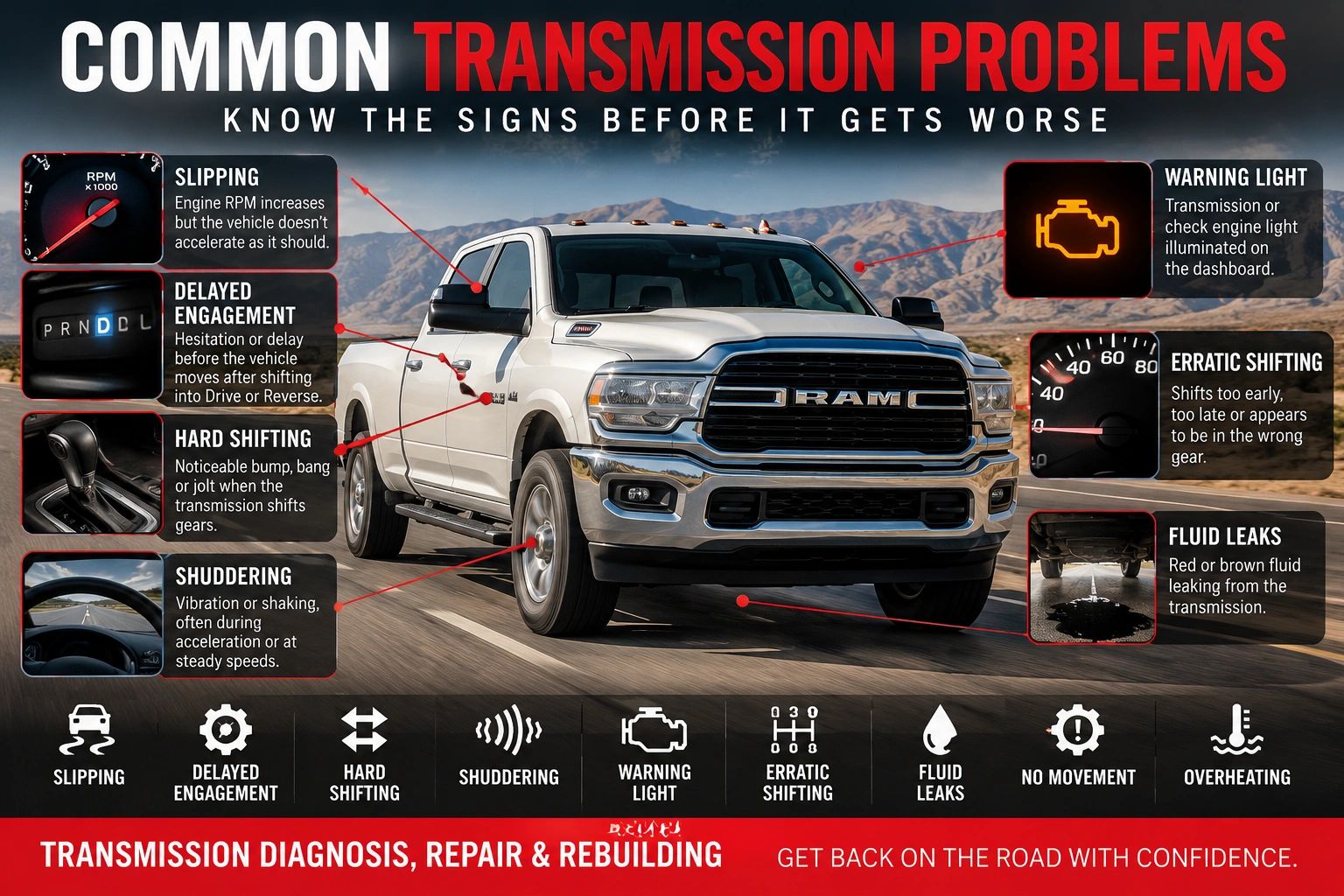
    Need Transmission Help?

    Sun West Transmissions has served Glendale and Phoenix since 1979. Call (623) 473-9800, see our transmission prices or book service.

  • Chevrolet Silverado 8-Speed Transmission Problems

    Is Your Silverado’s 8-Speed Transmission Acting Up?

    Thousands of Chevrolet Silverado owners across the Southwest—from Phoenix to Glendale and beyond—are encountering unexpected issues with their 8-speed automatic transmissions, even under normal driving conditions. While engineered for durability and smooth performance, these transmissions can develop problems that start subtly but escalate quickly, especially in high-heat environments. If your truck hesitates when shifting into drive, struggles to hold gears, or exhibits a shudder at highway speeds, you’re not alone. Many drivers overlook early warning signs until major mechanical failure occurs, leaving them facing costly repairs and downtime.

    This guide dives into the most common 8-speed transmission problems affecting Silverado trucks, with a focus on real-world concerns faced by drivers in hot climates. You’ll learn how to identify symptoms early, understand the mechanical and thermal stress factors at play, and discover proactive steps to extend transmission life. From fluid maintenance to cooling system upgrades, we’ll cover practical strategies that help protect your investment—whether you’re commuting through Metro Phoenix or towing in the Arizona desert. Stay ahead of breakdowns with actionable insights tailored to where and how you drive.

    Top 5 Transmission Problems Chevrolet Silverado Owners Report (And What They Mean)

    Chevrolet Silverado drivers expect durability and performance, but even the most robust trucks can develop transmission issues over time—especially as miles accumulate and driving conditions vary. The 8-speed automatic transmission, while engineered for power and efficiency, has revealed recurring trouble spots that owners in places like Phoenix, Glendale, and across Arizona should know about. Recognizing these problems early can help avoid breakdowns and expensive repairs.

    • Erratic Shifting and Gear Flare Many owners report sudden RPM spikes during shifts, often accompanied by a delay in gear engagement. This “flare” typically stems from low hydraulic pressure due to worn seals, degraded transmission fluid, or solenoid performance issues. High underhood temperatures common in desert climates accelerate fluid breakdown, worsening the condition.
    • Torque Converter Shudder at Highway Speeds A vibrating or shaking sensation between 35–55 mph is frequently tied to torque converter lockup problems. Contaminated fluid or a malfunctioning lockup clutch can cause this shudder. A complete fluid and filter change—along with a check for internal sludge—often resolves mild cases.
    • Transmission Overheating Without Towing Overheating isn’t just for heavy loads. Stop-and-go traffic, combined with Arizona’s extreme heat, can push fluid temperatures beyond safe limits. A failing cooler or clogged lines restrict heat dissipation. Installing an auxiliary cooler improves longevity, especially for daily drivers.
    • Delayed Engagement in Drive or Reverse A noticeable hesitation when shifting into gear may point to low fluid levels, internal valve body wear, or degraded seals. This is often worse in hot weather, where fluid thinning reduces pressure. Regularly check your dipstick and inspect for leaks near the pan or cooler lines.
    • Check Engine Light with P0700 or P0777 Codes Diagnostic trouble codes like P0700 (transmission control system) or P0777 (pressure control solenoid) are common. These point to electronic or hydraulic issues within the transmission system. Use a scan tool to retrieve live data and monitor shift timing and pressure readings for accurate diagnosis.

    Hidden Design Flaws and Mechanical Stress Points in the Silverado’s 8-Speed

    While the Chevrolet Silverado’s 8-speed automatic transmission delivers improved fuel economy and seamless shifting under ideal conditions, certain mechanical and design factors can set the stage for premature failure—especially in demanding driving environments like Phoenix, Glendale, and surrounding Arizona communities. Engineers designed the unit to handle high torque outputs efficiently, but real-world performance often reveals weak links in its architecture.

    One key issue stems from the transmission’s narrow thermal operating window. The factory cooling system is often inadequate for sustained loads, such as towing in desert heat or frequent stop-and-go commuting. Without proper heat dissipation, transmission fluid breaks down faster, leading to reduced lubrication and increased wear on clutches and bearings. Additionally, the valve body’s solenoid pack is prone to degradation over time, particularly when exposed to temperature swings and contaminated fluid. This can result in delayed shifts, harsh engagement, or erratic gear selection.

    Another contributing factor is the torque converter’s lockup mechanism, which can develop shudder or slippage due to design tolerances and material fatigue. When paired with aggressive driving habits or modified engines, these components face even greater stress. To mitigate these risks, drivers should prioritize regular fluid exchanges using OEM-specified fluids, inspect cooler lines for blockages, and consider adding an auxiliary cooler—especially if operating in high-heat zones or under heavy loads.

    How to Diagnose Chevrolet Silverado 8-Speed Transmission Problems at Home

    Catch transmission trouble early with these actionable steps to identify common issues in your Chevrolet Silverado’s 8-speed automatic. Early detection can prevent expensive repairs and roadside breakdowns—especially in hot climates like Phoenix and Glendale, where heat accelerates wear.

    • Check the Transmission Fluid Level and Condition With the engine running and warmed up, pull the dipstick and examine the fluid. Bright red, clean fluid is ideal. Dark, burnt-smelling fluid signals overheating or internal wear. Low levels may indicate leaks—inspect the pan, cooler lines, and seals for damp spots.
    • Scan for Diagnostic Trouble Codes (DTCs) Use an OBD-II scanner to pull transmission-specific codes (P0700–P0999 range). Codes related to shift timing, solenoids, or pressure sensors pinpoint electronic or hydraulic issues before they worsen.
    • Monitor Shifting Behavior Under Load Take a test drive and note hesitation, slipping, or harsh engagement. Pay attention to RPM flare during shifts—a sign of delayed clutch engagement or pressure loss.
    • Inspect Cooling System Performance Check the transmission cooler lines for blockages and ensure the radiator’s cooling fan operates. Overheating fluid degrades quickly, especially in stop-and-go traffic.
    • Verify External Components Look for damaged wiring harnesses or corroded connectors near the transmission control module (TCM) and solenoids. Loose or dirty connections disrupt signal accuracy.

    Always perform checks at operating temperature for reliable results.

    Proactive Care: How to Repair and Prevent Silverado 8-Speed Transmission Problems

    Keep your Chevrolet Silverado’s 8-speed transmission running smoothly with targeted maintenance and smart repair strategies. In high-heat areas like Phoenix and Glendale, heat buildup is a leading cause of transmission failure, degrading fluid and increasing internal wear. Start with regular fluid checks—ensure levels are optimal and inspect for dark, burnt-smelling fluid, which signals overheating or contamination. Use only OEM-specified transmission fluid to maintain proper viscosity and protect sensitive components like solenoids and clutches.

    Change the transmission filter and fluid every 30,000 to 50,000 miles, especially if you routinely tow, carry heavy loads, or endure stop-and-go traffic. A transmission flush alone isn’t enough—opt for a complete fluid exchange to remove debris and sludge from hard-to-reach passages. Consider installing an auxiliary transmission cooler to reduce operating temperatures, particularly during summer months or long hauls in the Arizona desert.

    Address shifting issues early. Delayed engagement, jerky shifts, or gear hunting can stem from faulty sensors, worn seals, or outdated Transmission Control Module (TCM) software. A TCM recalibration can resolve erratic behavior caused by incorrect shift timing. If problems persist, inspect the valve body for clogged passages or failing solenoids. For high-mileage trucks, a preventive rebuild with upgraded components offers long-term reliability and peace of mind.

    Frequently Asked Questions About Chevrolet Silverado 8-Speed Transmission Reliability

    How reliable is the 8-speed transmission in the Chevrolet Silverado? The 8-speed automatic transmission found in many Silverado models is generally dependable when properly maintained. However, its longevity heavily depends on driving conditions, especially in hot climates like Phoenix and Glendale. High underhood temperatures, frequent towing, and stop-and-go traffic can accelerate wear on internal components such as solenoids and clutches. Keeping up with fluid changes and monitoring for early warning signs improves long-term reliability.

    What is the average lifespan of a Silverado 8-speed transmission? With consistent maintenance and moderate driving habits, the 8-speed transmission can last between 150,000 and 250,000 miles. Drivers in extreme heat zones or those who frequently tow heavy loads should expect earlier wear if cooling systems aren’t upgraded and fluid isn’t changed at reduced intervals.

    What are common signs of transmission trouble? Look for delayed engagement, rough shifting, warning lights, transmission slipping, or a burning smell from the fluid. These symptoms often appear before complete failure and are critical to address early.

    How much does it cost to repair or rebuild an 8-speed transmission? Minor repairs like solenoid replacement or software updates cost less than a full rebuild, and the final cost depends on labor rates and the extent of internal damage. See our Chevy & GMC transmission prices for current Sun West pricing.

    Can transmission issues be prevented with maintenance? Yes. Regular fluid and filter changes, checking for leaks, and installing an auxiliary cooler—especially in desert climates—can dramatically extend transmission life.

    What Every Silverado Owner Should Do Next

    Owning a Chevrolet Silverado means relying on a truck built for power and endurance, but the 8-speed transmission can develop issues that, if ignored, lead to expensive repairs. Common problems like delayed shifting, erratic gear changes, and overheating often stem from fluid degradation, software glitches, or inadequate cooling—especially in hot climates like Phoenix, Glendale, and surrounding Arizona regions. The key to avoiding major failures lies in proactive maintenance and early detection. Start by checking transmission fluid levels monthly and inspecting for leaks around the pan and cooler lines. Use OEM-spec fluid and change both the fluid and filter at reduced intervals—especially if you drive in stop-and-go traffic or tow heavy loads regularly.

    Next, consider upgrading your cooling system with an auxiliary transmission cooler. This simple addition dramatically reduces operating temperatures and extends component life. Pair that with a Transmission Control Module (TCM) software update, which can resolve shift harshness and gear hunting caused by outdated factory programming. If you notice any warning signs—such as shuddering, slipping, or error lights—act quickly. Use a professional scan tool to pull diagnostic codes and monitor live data, or seek a qualified technician for a thorough evaluation. Staying ahead of transmission trouble isn’t just about fixing problems—it’s about preventing them. Protect your truck, your time, and your budget with consistent, informed care.

    Need Transmission Help?

    Sun West Transmissions has served Glendale and Phoenix since 1979. Call (623) 473-9800, see our transmission prices or book service.